Cracked Asphalt Driveway in Bedford, NH: Repair, Resurface, or Replace?
Cracks in an asphalt driveway do not always mean the whole surface needs to be replaced. Some damage can be repaired. Other driveways may be better candidates for resurfacing, while more serious deterioration can call for replacement.
The right choice depends on how widespread the cracking is, whether water is getting into the pavement, and what condition the asphalt and base are in below the surface.
Why Asphalt Driveways Crack in Bedford, NH
New Hampshire weather can be hard on aging asphalt. Water can enter small cracks, freeze during colder weather, and expand. Repeated freeze-thaw cycles can make existing damage worse over time.
Other common causes of cracking include poor drainage, movement in the pavement base, normal aging, heavy vehicle loads, and damage that was left untreated.
A small crack may stay minor for a while, but once water reaches weaker areas below the asphalt, deterioration can spread faster.
What Different Asphalt Cracks Can Tell You
The shape and location of a crack can offer clues about what may be happening, although the surface alone does not always reveal the full condition of the pavement.
Small Surface Cracks
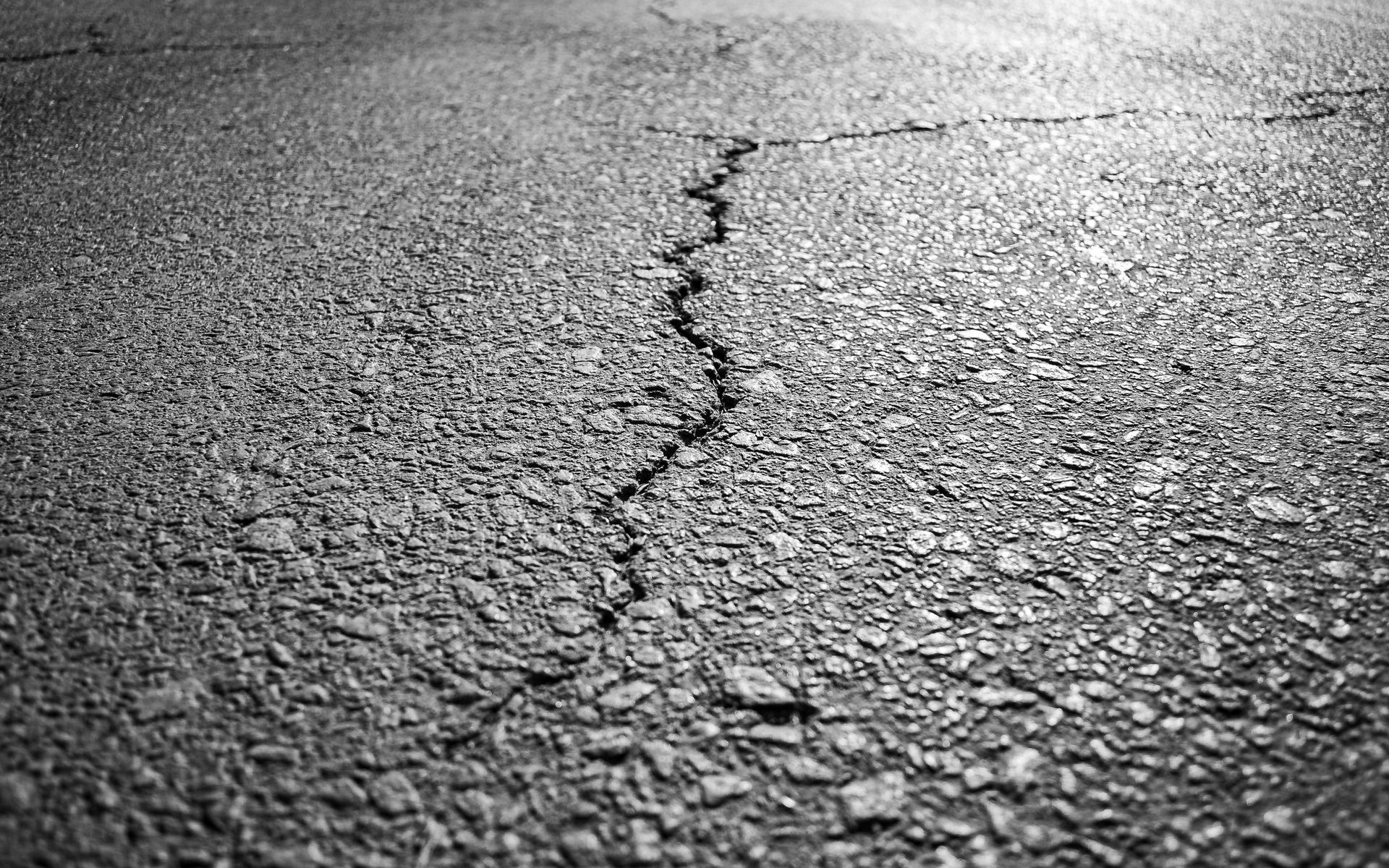
Small cracks can develop as asphalt ages and loses flexibility. If the surrounding pavement remains stable, early repair may help keep the damage from spreading.
Long or Widening Cracks
Long cracks or cracks that continue to widen can point to movement in the pavement or supporting base. Repairing the surface may help, but recurring movement should also be evaluated.
Alligator Cracking
Alligator cracking forms a connected pattern of smaller cracks across the surface. This type of damage can indicate deeper pavement stress, especially when the area also feels soft, sunken, or unstable.
Cracks Around Potholes or Settled Areas
Cracking around potholes, depressions, or settled pavement may mean the problem extends below the surface. Drainage and base condition should be considered before deciding how to repair the area.
When Can a Cracked Asphalt Driveway Be Repaired?
Localized repair may be enough when the damage affects a limited part of the driveway and the surrounding pavement remains in good condition.
Small cracks, isolated potholes, and limited failed areas may be repairable without rebuilding the entire driveway.
PaveMaster provides asphalt repair services for damaged driveways and other paved surfaces. The repair method depends on the type and depth of the damage.
If cracks keep returning in the same location, the problem may involve drainage, movement, or the base below the asphalt.
When Is Asphalt Resurfacing a Better Option?
A driveway can look worn without needing to be rebuilt from the ground up. If the existing pavement remains suitable, resurfacing may restore the surface with less extensive reconstruction.
Resurfacing is often considered when wear is spread across a larger area but the pavement below is still stable enough to support a new asphalt layer.
Localized failures may still need repair before resurfacing. Driveways with severe settlement or deeper structural problems may need a different approach.
When Does a Cracked Driveway Need Replacement?
Replacement may make more sense when damage is widespread or the pavement has failed in several areas.
Warning signs can include extensive cracking, repeated potholes, significant settlement, recurring repairs, and large areas of unstable pavement.
The visible surface is only part of the decision. If the base or supporting pavement has deteriorated across a large area, repeated surface repairs may not solve the underlying problem.
Homeowners considering full replacement can learn more about PaveMaster's
residential driveway paving services.
What Happens If You Ignore Asphalt Cracks?
Cracks can allow water to move into the pavement and the material below it. As the damage grows, the driveway may develop wider cracks, loose asphalt, potholes, or settled areas.
Cold weather can make existing problems worse when trapped moisture freezes and expands.
Repairing damage early does not prevent every future issue, but it can help keep smaller problems from becoming more extensive.
How Can You Reduce Future Asphalt Cracking?
No asphalt driveway stays perfect forever, but a few practical steps can help reduce avoidable deterioration.
Address cracks before they widen. Keep water from collecting along the pavement. Repair potholes and failed areas when they appear. If the same damage keeps returning, have the underlying cause evaluated.
Sealcoating can also be part of routine asphalt maintenance when the pavement is still in serviceable condition. It should not be used to cover structural damage or failed pavement.
Who Can Repair a Cracked Asphalt Driveway in Bedford, NH?
PaveMaster provides driveway repair, resurfacing, and replacement for properties in Bedford, NH.
The right service depends on the type of cracking, how much of the driveway is affected, and the condition below the surface. Learn more about
asphalt paving and driveway repair in Bedford, NH or request an estimate for your property.
Cracked Asphalt Driveway FAQs
How soon should asphalt driveway cracks be repaired?
Cracks should be addressed before they have time to widen or allow more water into the pavement. Early repair may help limit further deterioration, especially when the surrounding asphalt is still in good condition.
Can drainage problems cause an asphalt driveway to crack?
Yes. Water that collects beside, under, or on the pavement can weaken supporting material and contribute to movement. Poor drainage can also make freeze-thaw damage worse during New Hampshire winters.
Can winter make existing driveway cracks worse?
Yes. Water can enter existing cracks and expand when it freezes. Repeated freezing and thawing can widen cracks and contribute to additional pavement damage.
Should driveway cracks be repaired before sealcoating?
Yes. Sealcoating is a maintenance treatment, not a structural repair. Cracks, potholes, and failed areas should be evaluated and repaired before sealcoat is applied.
How can I tell if the driveway base may be failing?
Recurring cracks, settlement, potholes, or soft and unstable areas can sometimes point to problems below the asphalt. A site evaluation can help determine whether the issue is limited to the surface or extends into the supporting pavement structure.
You might also like